Quick check
Are your website enquiries reaching the right place?
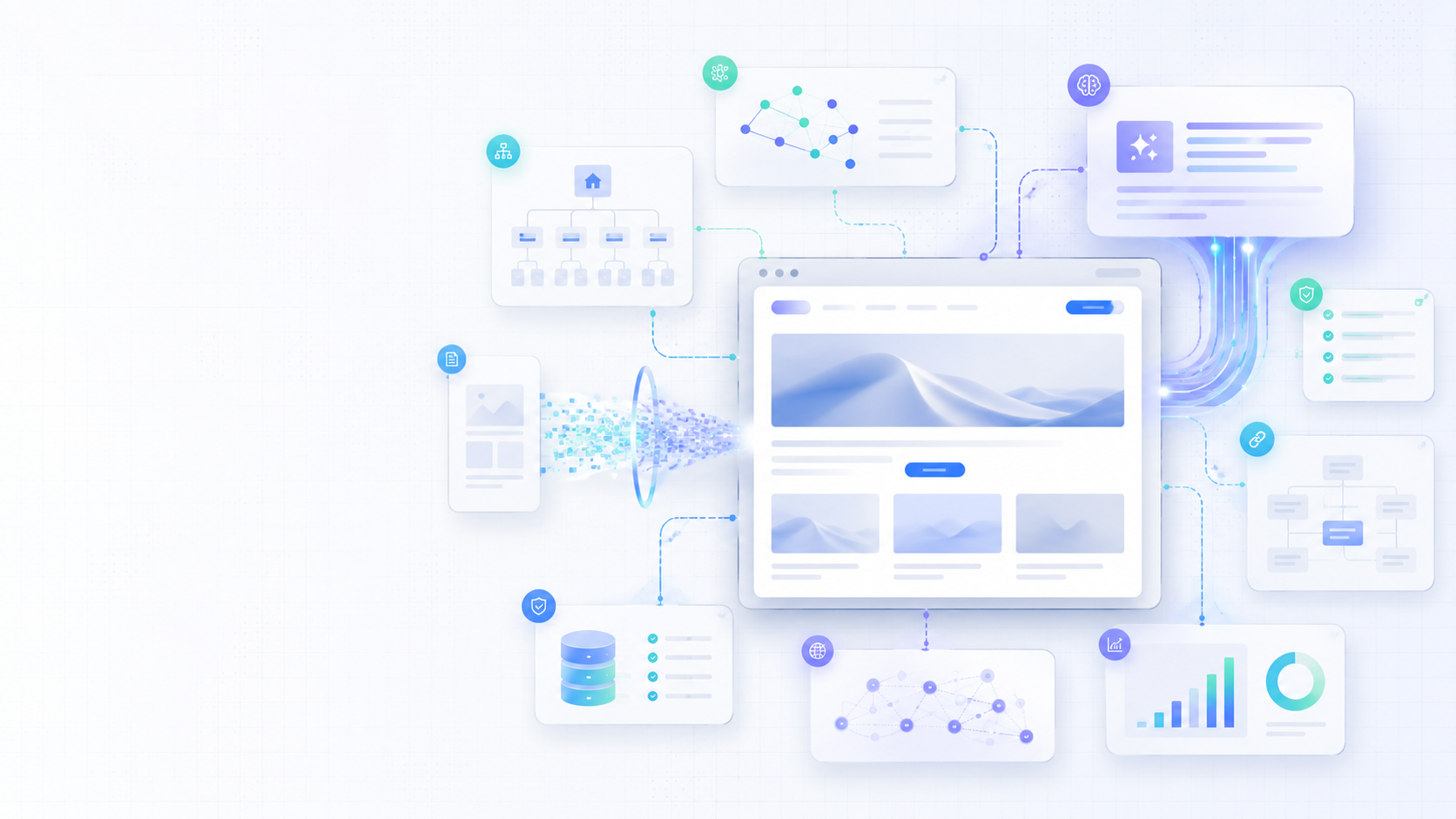
If your website looks fine but leads are quiet, the issue may be hidden in your forms, email delivery, contact flow, messaging, or visibility.
How to Make Your Business Website Easier for AI Search to Understand
People are no longer using search engines only to find a list of websites. They are also asking detailed questions, comparing providers, requesting recommendations, and receiving generated answers that summarise information from several sources.
This shift creates a new visibility challenge for businesses. A website may rank for some traditional searches but still be difficult for an AI-powered search system to interpret. The business name might be visible, while its services, location, expertise, pricing approach, or ideal customer remain unclear.
Improving AI search visibility does not require filling pages with robotic language or producing large quantities of generic content. It starts with making the website genuinely easier for both people and search systems to understand.
EMPEX Digital helps businesses strengthen their website content, technical foundations, and online visibility through our SEO Optimization service, Web Design & Development service, and AI Integration service. You can also book a consultation to discuss how your current website appears across traditional and AI-powered search.
AI search still depends on strong website foundations
AI-powered search may present information differently, but it still needs to discover, access, and understand web pages before those pages can become useful sources.
Google’s official guidance explains that the same fundamental SEO practices used for conventional search also apply to its AI features. A page needs to be crawlable, indexable, technically accessible, and useful to the person conducting the search. There is no special AI file or hidden piece of markup that guarantees inclusion.
You can read Google’s current guidance here: AI features and your website.
This means technical SEO remains important. Broken internal links, blocked pages, accidental noindex tags, slow mobile performance, duplicate content, unclear navigation, and incomplete sitemaps can all make a website harder to discover and interpret.
Before thinking about advanced GEO strategies, businesses should make sure their existing website works properly. AI visibility cannot compensate for pages that search systems cannot access or understand.
Give every important page a clear purpose
A common website problem is trying to explain too many subjects on one page. The homepage may briefly mention every service, location, industry, and customer type without giving any of them enough context.
This creates ambiguity. A visitor may understand that the company offers “digital solutions,” “professional services,” or “complete support,” but those descriptions do not explain what the business actually delivers.
Important services should usually have their own focused pages. A dedicated page can explain the problem being solved, who the service is designed for, what is included, how the process works, and what the customer should do next.
For example, an AI automation page should not rely only on phrases such as “transform your business with AI.” It should explain which workflows can be automated, what information the system handles, where human review remains necessary, and what practical outcome the customer can expect.
Clear pages give search systems stronger context. They also help potential customers decide whether the service is relevant without searching through several parts of the website.
Write around real customer questions
Businesses often describe services using internal language that customers may not use. An agency may talk about technical implementation, infrastructure, integrations, or digital transformation, while the customer is asking a much simpler question: “How can I stop missing website enquiries?”
Content becomes more useful when it reflects the language, problems, and decisions customers face. A page should answer the questions that normally appear during enquiries, consultations, sales calls, or support conversations.
This does not mean placing a long FAQ section on every page. The answers can be included naturally within service descriptions, process sections, case studies, comparisons, and blog posts.
A web design company might explain how long a project usually takes, what the client needs to provide, whether content is included, what happens after launch, and whether the finished website can be transferred elsewhere. These details make the page more helpful and provide clearer information for search and AI systems to interpret.
Google recommends creating helpful, reliable, people-first content rather than pages produced mainly to manipulate rankings. You can review that guidance here: Creating helpful, reliable, people-first content.
Show evidence behind your claims
Generic claims are easy to publish. Almost any website can say that a company is experienced, trusted, innovative, professional, or customer-focused.
Evidence makes those statements more meaningful. Case studies, project examples, customer testimonials, recognised qualifications, original images, detailed processes, named authors, and accurate company information help demonstrate that a real organisation stands behind the content.
A case study should explain more than the final result. It can describe the original problem, the approach taken, the technology or service used, the decisions made during the project, and the measurable or practical outcome.
Business identity should also remain consistent. The organisation name, contact details, service locations, social profiles, company description, and team information should not contradict each other across different pages or platforms.
This evidence strengthens trust with potential customers. It also gives search systems more context when trying to understand who created the content, what the business does, and whether the information is supported by genuine experience.
Use structured data to support clear content
Structured data is code that helps search engines identify specific information on a page. Depending on the website, it may describe an organisation, local business, article, product, service-related information, breadcrumbs, or other supported content types.
Google describes structured data as a standardised format that provides explicit clues about the meaning of a page. You can read the official introduction here: Understanding how structured data works.
However, structured data should support the visible page rather than compensate for weak content. Adding organisation markup will not solve an unclear company description. Article markup cannot make a thin blog post authoritative, and local business markup will not repair inconsistent contact information.
The details in the markup should match what visitors can see. Incorrect, misleading, or unsupported information may create technical problems and can make the implementation ineligible for enhanced search appearances.
When used properly, structured data reinforces a well-organised website and gives search systems another reliable way to interpret its content.
Connect related information with internal links
A website becomes easier to understand when its pages form a logical network rather than a collection of isolated documents.
A blog post about missed enquiries might link to a Smart Alerts service, an AI automation page, and a relevant case study. A web design service page could connect to website aftercare information, domain guidance, project examples, and the consultation booking page.
These links help visitors continue their journey without returning to the main navigation after every page. They also show search systems how topics, services, and supporting resources relate to one another.
The anchor text should describe the destination naturally. Phrases such as “learn more” or “click here” provide less context than a link that clearly names the relevant service or guide.
Internal linking should still be selective. Adding every possible link to every page creates clutter and weakens the journey. The strongest links are those that help the reader answer the next likely question or take an appropriate next step.
Keep important information accurate and current
Outdated content can weaken trust, especially when a website displays old pricing, discontinued services, unavailable team members, expired offers, or guidance based on technology that has changed.
This matters in AI-powered discovery because generated answers may rely on information found across several pages. If those pages contradict each other, it becomes harder to establish which version is accurate.
Businesses should review their core pages regularly and update them when services, processes, locations, contact details, policies, or technologies change. Older blog posts can remain valuable, but important claims should be corrected when they no longer reflect the current situation.
Updating content does not mean changing the publication date without making meaningful improvements. It means keeping the information genuinely useful, accurate, and aligned with what the business currently provides.
Measure more than traditional rankings
AI search visibility is not always represented by a familiar blue-link ranking. A business may be referenced inside a generated comparison, recommendation, summary, or answer even when the user does not immediately visit the website.
Traditional analytics and Search Console data remain useful, but businesses may also need to monitor branded searches, referral sources, assisted conversions, enquiries that mention AI tools, and citations in AI-generated results.
Microsoft introduced an AI Performance report in Bing Webmaster Tools that shows when a website is cited in AI-generated answers across Microsoft Copilot experiences. More information is available here: AI Performance in Bing Webmaster Tools.
Measurement in this area is still developing, so businesses should avoid relying on one number. The more useful question is whether the website is becoming easier to discover, understand, trust, and select across different search journeys.
Where should a business begin?
The strongest starting point is to review the pages closest to a commercial decision. These normally include the homepage, primary service pages, contact page, location information, case studies, and any pages that receive regular search traffic.
Each page should explain its subject clearly, use accurate headings, answer the visitor’s main questions, show credible evidence, and lead naturally to another useful page or action. Technical checks should confirm that the pages are indexable, mobile-friendly, included in the sitemap, and free from major structured data or navigation errors.
The next stage is to identify missing information. Customer emails, sales calls, support questions, and consultation notes often reveal subjects that the website has not explained properly. These gaps can become improved service-page sections, focused articles, comparison guides, or case studies.
The goal is not to publish more content simply because AI search is growing. The goal is to build a clearer and more reliable source of information about the business.
Final thoughts
AI-powered search is changing how customers discover services, compare providers, and make decisions. However, the fundamentals of online visibility remain familiar: accessible pages, focused content, reliable information, clear business identity, credible evidence, and strong technical SEO.
There is no guaranteed method for forcing an AI platform to cite a particular website. Businesses can, however, improve their chances of being understood by creating content that answers real questions and by making the relationship between their pages, services, and expertise clear.
A website prepared for AI search should also be a better website for customers. It should explain the business confidently, reduce uncertainty, demonstrate experience, and guide visitors towards the right next step.
For help strengthening your content, technical SEO, website structure, and AI search visibility, explore our SEO Optimization service, Web Design & Development service, AI Integration service, or book a consultation.
Keep reading
Related insights
More practical guidance to help improve visibility, conversion, enquiries, and digital systems.
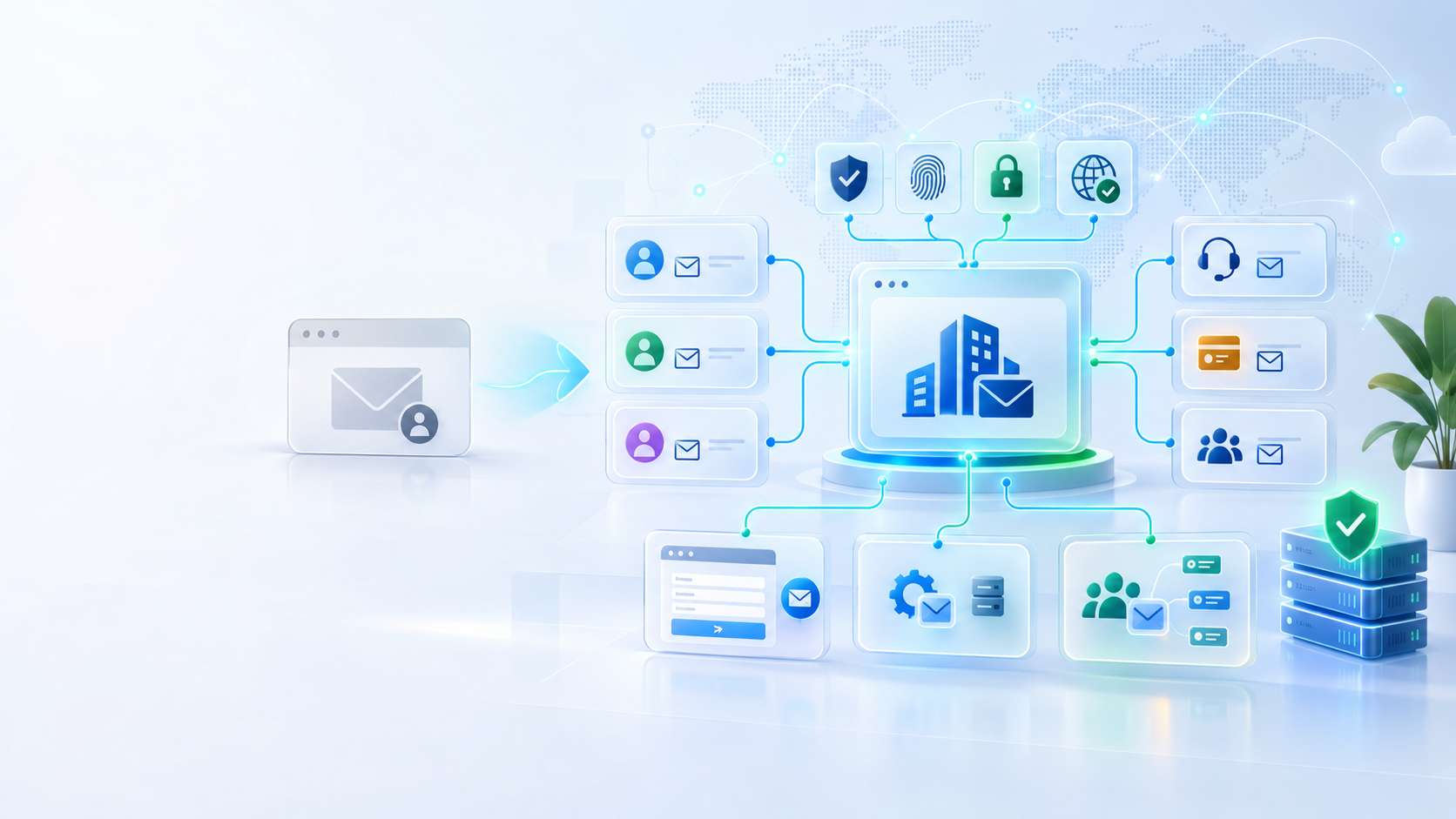
Why Growing Businesses Should Use Email on Their Own Domain
A Gmail or Outlook address may be enough when a business is just starting, but a custom-domain email creates stronger ownership, consistency, security, and room to grow. Here is why professional email infrastructure matters.

The Real Risk of Free Website Offers for Small Businesses
Free website offers may sound attractive, especially from new developers building a portfolio. But for serious businesses, a free website can create hidden costs, ownership problems, weak SEO, security risks, and expensive repairs later.
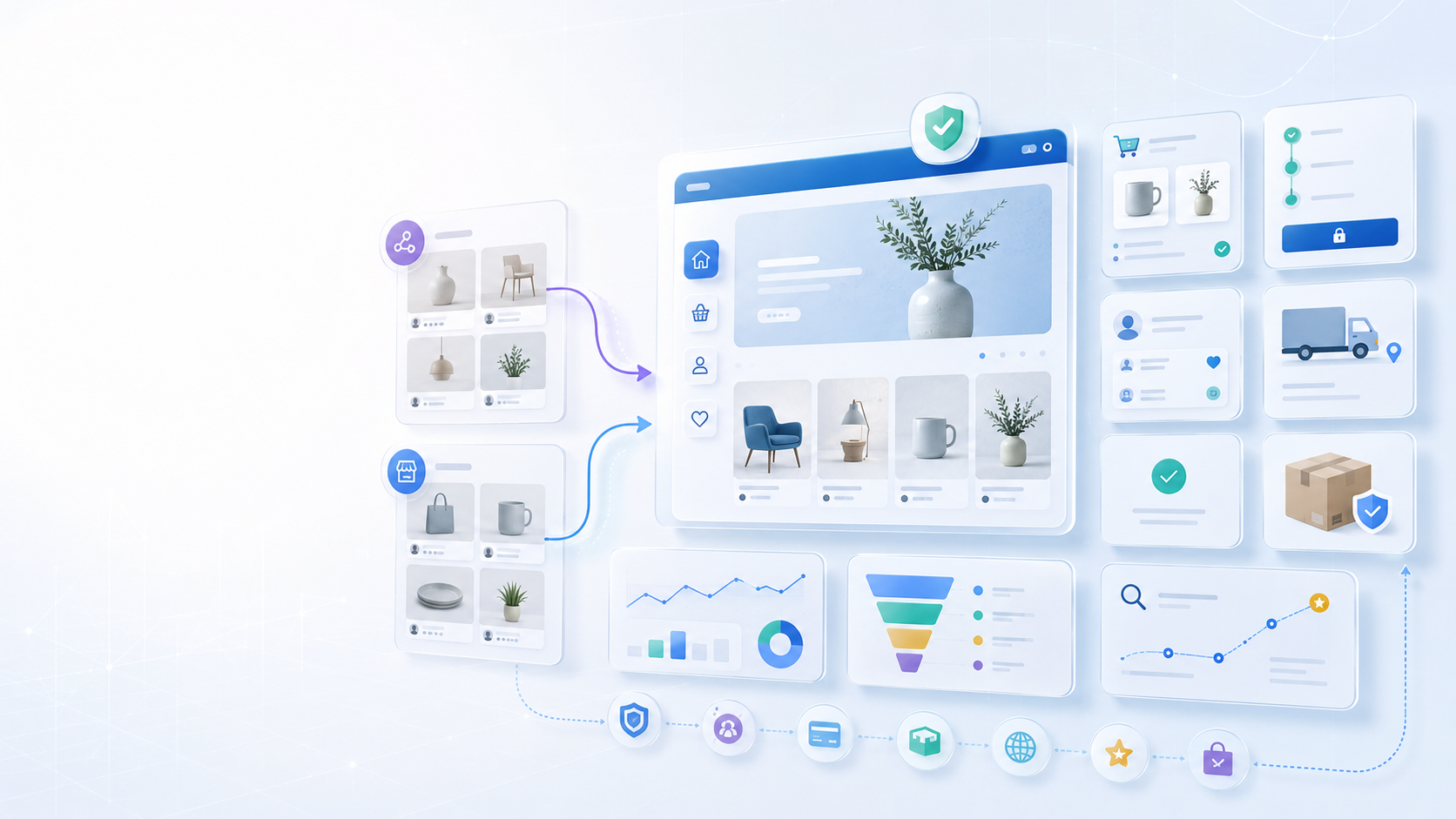
Why Product-Based Businesses Should Consider Their Own Online Shop
Social media and marketplaces can help product-based businesses get attention, but relying only on third-party platforms can limit control, trust, customer data, and long-term growth. Learn why a dedicated e-commerce website can create a stronger foundation.
Discussion
Comments
No comments yet
Be the first to share a useful thought, question, or takeaway from this article.