
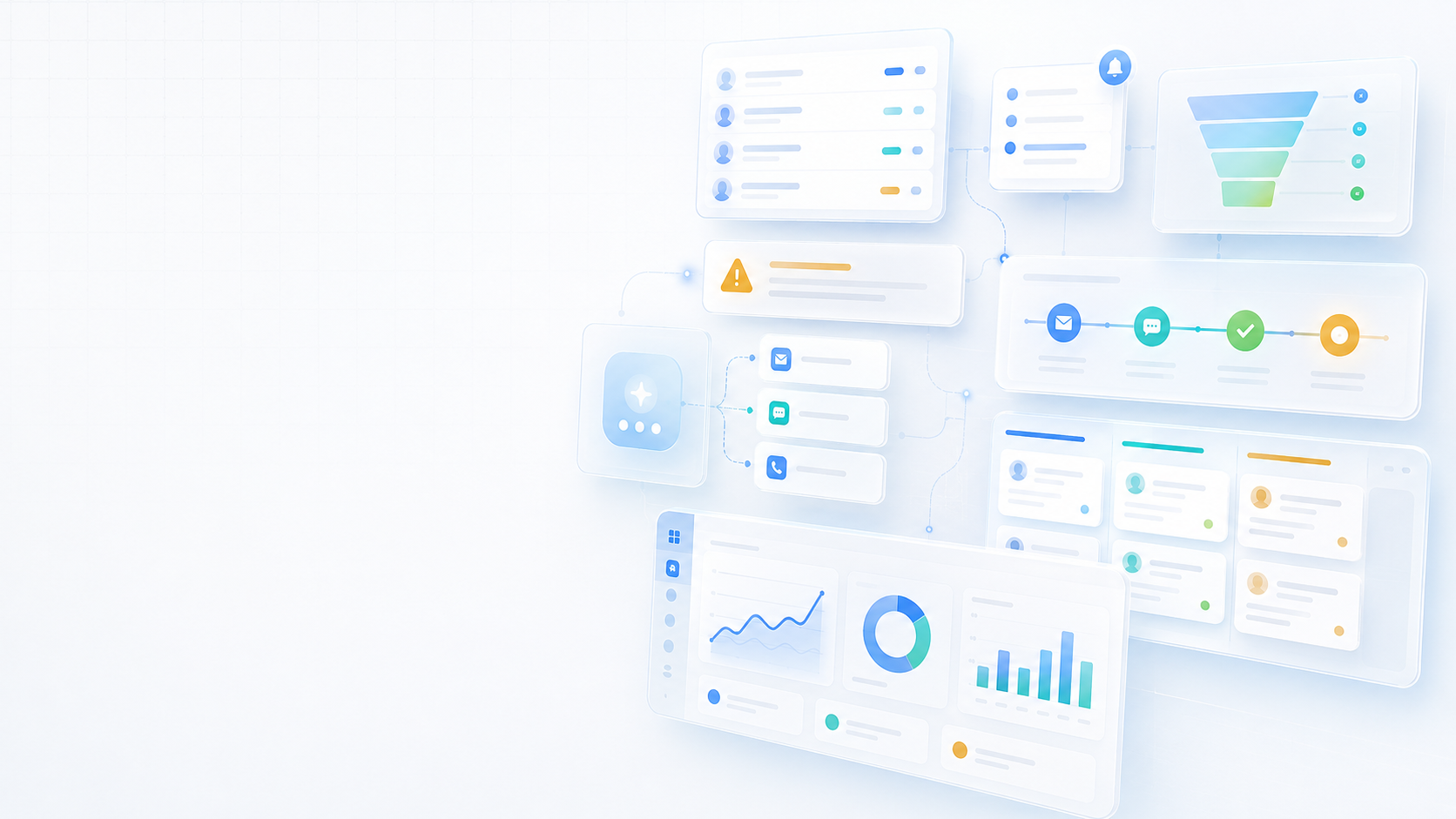
Quick check
Are your website enquiries reaching the right place?
If your website looks fine but leads are quiet, the issue may be hidden in your forms, email delivery, contact flow, messaging, or visibility.
Why Small Businesses Lose Leads After the First Enquiry
Getting an enquiry is only the beginning.
A potential customer has visited the website, filled in a form, sent a message, requested a quote, asked a question, or booked a consultation. They have shown interest. They may be comparing providers. They may be ready to move forward. They may need reassurance before making a decision.
At that moment, the business has an opportunity.
But many leads are not lost because the first enquiry never happened.
They are lost after the enquiry.
The reply is delayed. The follow-up is forgotten. The customer is not given a clear next step. The enquiry is not logged properly. The business sends one response and never checks back. The team gets busy. The message gets buried. The customer contacts a competitor.
This is common in small businesses.
Not because business owners do not care.
Usually, it happens because the follow-up process is too manual.
Everything depends on someone remembering what to do, when to do it, where the enquiry came from, what was promised, and whether the customer replied.
That may work when enquiry volume is low. But as soon as the business becomes busy, manual follow-up becomes unreliable.
For UK SMEs, improving follow-up can be one of the simplest ways to increase the value of existing marketing activity.
The business may not need more traffic first.
It may need a better system for handling the leads it already receives.
For help improving enquiry handling, follow-up workflows, notifications, and automation, explore our AI Integration service, Smart Alerts service, or book a consultation.
A lead is not secure just because someone made contact
Many businesses treat an enquiry as a success.
In one sense, it is.
The website, campaign, referral, Google profile, social post, or email message worked well enough to make someone take action.
But an enquiry is not the same as a customer.
There is still a journey between first contact and confirmed sale, booking, quote approval, consultation, or project start.
That journey needs to be managed.
A customer may need more information. They may need a price. They may need a call. They may need a booking link. They may need examples. They may need reassurance. They may need someone to explain the next step clearly.
If the business does not guide that journey, the lead can go cold.
This is where many opportunities are lost.
The business celebrates the enquiry but does not have a reliable process to move the customer forward.
A good follow-up process keeps momentum alive.
It makes sure the customer receives a clear response, understands what happens next, and is not left waiting unnecessarily.
The goal is not to pressure people.
The goal is to remove uncertainty.
Slow replies create doubt
When someone contacts a business, response time matters.
A fast response does not need to solve everything immediately. But it should reassure the customer that their enquiry has been received and that the business is active.
A slow reply can create doubt.
The customer may wonder whether the business is busy, disorganised, unavailable, or not interested. They may not think about it deeply, but the feeling is created quickly.
In many cases, the customer is also contacting other providers.
The business that responds clearly and quickly often has an advantage.
This does not mean every small business needs to reply personally within minutes at all times. That may not be realistic.
But the first step can still happen automatically.
A confirmation email can be sent.
An internal alert can notify the right person.
A follow-up task can be created.
The enquiry can be logged.
The customer can be told what to expect next.
This improves trust while giving the business time to respond properly.
Automation is useful here because it protects the first stage of the journey.
The customer is not left wondering whether anyone noticed.
Many follow-ups depend too much on memory
Small business owners often carry too much information in their heads.
They remember who called, who asked for a quote, who needs a reply, who should be chased, who requested more information, and who said they might decide next week.
That may feel manageable for a while.
But it is risky.
Memory is not a system.
When the day becomes busy, follow-ups can slip.
A job takes longer than expected. A family responsibility appears. A meeting runs over. A new urgent issue comes in. The inbox fills up. A customer asks for something else. The follow-up that seemed obvious yesterday disappears from attention.
This is not a personal failure.
It is a workflow problem.
Important follow-ups should not depend entirely on memory.
They should be recorded, scheduled, and visible.
A simple reminder system can make a big difference. A lead can be marked for follow-up. A notification can be triggered after two days. A task can be assigned. A dashboard can show open enquiries. A customer journey can be tracked from first contact to outcome.
This creates control.
The business no longer has to rely on remembering every small step manually.
The first response should create a clear next step
One common reason leads go cold is that the first response does not guide the customer clearly.
The business may reply politely, but the customer is still unsure what happens next.
For example, the response may say:
“Thanks, we will get back to you.”
That is better than no reply, but it may not be enough.
A stronger response explains the next step.
It may say when the business will respond properly. It may ask for missing details. It may provide a booking link. It may explain the quote process. It may invite the customer to choose a time for a call. It may provide useful preparation instructions.
The customer should know what to do next or what to expect next.
This is especially important for service businesses.
A lead often needs movement.
Without movement, the enquiry becomes a loose conversation.
Automation can help by sending different first responses depending on enquiry type.
A quote request can receive one type of reply.
A consultation booking can receive another.
A support question can go another route.
A project enquiry can trigger a different workflow.
This helps the business create a more professional experience without manually writing every first message from scratch.
Leads often get lost because they are not recorded properly
Many businesses receive enquiries in different places.
Website forms.
Email inboxes.
Phone calls.
Facebook messages.
Instagram messages.
LinkedIn messages.
WhatsApp.
Google Business Profile.
Referrals.
Old customers.
Direct calls.
This creates a problem.
If leads are not recorded in one clear place, the business can lose visibility.
A lead may exist only as an email. Another may exist only as a social media message. Another may be written in a notebook. Another may be in someone’s phone. Another may be remembered but not documented.
This makes follow-up harder.
The business cannot easily see how many enquiries are open, which leads need attention, who has been replied to, and which opportunities are waiting.
A better workflow stores lead information somewhere useful.
That could be a CRM, admin dashboard, spreadsheet, project board, booking system, or internal database. The right tool depends on the business.
The important point is that leads should not disappear into separate channels.
They should be captured, organised, and followed up.
A business cannot improve lead management properly when leads are scattered.
Not every lead should be treated the same
Some enquiries are urgent.
Some are high value.
Some are early research.
Some are general questions.
Some are support requests.
Some are price shoppers.
Some are ready to book.
Some need technical review.
Some need a sales conversation.
When every enquiry is handled the same way, the business may waste time or miss important opportunities.
AI automation can help by classifying leads.
For example, an enquiry can be reviewed based on service interest, urgency, location, budget range, message content, or likely next action. The system can then route the enquiry, apply a label, create a task, or trigger a suitable response.
This does not remove human judgement.
It supports it.
The team still decides how to handle the opportunity, but they start with a clearer picture.
For small businesses, this can be very useful.
A high-value project enquiry should not sit unnoticed in the same place as a general question.
A booking request should not wait for manual sorting.
A support issue should not be treated like a sales lead.
Better lead classification helps the business focus attention where it matters most.
Follow-up should be helpful, not pushy
Some business owners avoid follow-up because they do not want to annoy people.
That is understandable.
Nobody wants to sound desperate or aggressive.
But good follow-up does not need to feel pushy.
It can simply be helpful.
A follow-up can check whether the customer has any questions. It can remind them of the next step. It can provide extra information. It can ask whether they would like to book a call. It can confirm whether they still need help.
The tone matters.
A good follow-up is professional, polite, and useful.
It respects the customer while keeping the conversation open.
Many customers expect follow-up, especially if they asked for a quote, consultation, or service information. They may be busy too. They may appreciate a reminder.
The problem is not follow-up itself.
The problem is poor follow-up.
Too many messages can feel annoying.
Generic messages can feel cold.
No follow-up at all can feel careless.
A better system helps the business follow up at the right time with the right message.
Missed follow-ups can make marketing look weaker than it is
A business may invest time into marketing and still feel disappointed by the results.
Social media posts may bring interest.
SEO may bring visitors.
Email outreach may generate replies.
A website campaign may produce enquiries.
But if follow-up is weak, the final results may still be poor.
This can lead to the wrong conclusion.
The business may believe the marketing did not work, when actually the lead handling process failed.
This is important.
Marketing and follow-up are connected.
A campaign does not end when someone submits a form.
It continues through response, qualification, follow-up, booking, quote, decision, and customer onboarding.
If that process is not managed, marketing performance becomes harder to judge.
A business may be generating enough interest but not converting enough of it.
That is why lead management should be reviewed alongside marketing activity.
Before spending more on promotion, it is worth checking whether existing enquiries are being handled properly.
Website forms should trigger action, not just emails
A basic contact form often sends an email and stops there.
That may be enough for very simple websites, but it is not always enough for growing businesses.
A form submission should trigger action.
The business should know a lead arrived.
The customer should receive confirmation.
The enquiry should be stored.
The right person should be notified.
A follow-up task may need to be created.
The enquiry may need to be categorised.
The lead may need to enter a pipeline.
This turns a website form into part of the business workflow.
Without this, the form is only a message box.
That creates risk.
Emails can be missed. Spam filters can hide messages. People can forget. Follow-ups can slip.
Automation can make the form more useful.
It can connect the website to internal processes, notifications, dashboards, customer emails, and reminders.
This is one reason our Smart Alerts service is relevant for enquiry-based businesses.
Important website actions should not sit quietly in an inbox.
They should create visible, trackable next steps.
A clear lead pipeline gives the business more control
A lead pipeline does not need to be complicated.
It simply shows where each opportunity is in the process.
For example:
New enquiry.
First response sent.
Waiting for customer details.
Quote prepared.
Quote sent.
Follow-up needed.
Consultation booked.
Won.
Lost.
Not suitable.
This structure gives the business visibility.
Instead of guessing what is happening, the team can see which leads need attention.
This is useful even for small businesses.
A simple pipeline can prevent opportunities from disappearing.
It also helps with decision-making.
The business can see where leads are getting stuck. Are many enquiries waiting for first response? Are quotes being sent but not followed up? Are people asking the same questions? Are many leads lost after pricing? Are consultation requests being missed?
This information can improve the sales process.
Without a pipeline, the business may only see the final result and miss the pattern behind it.
Better visibility leads to better decisions.
Follow-up reminders reduce emotional pressure
Manual follow-up can feel stressful.
Business owners may constantly wonder whether they forgot someone.
They may keep checking inboxes.
They may search through old messages.
They may rely on sticky notes, memory, or scattered lists.
This creates mental load.
A reminder system reduces that pressure.
When a lead needs follow-up, the task is created.
When the time arrives, the reminder appears.
The business owner does not need to hold every open loop in their head.
This is one of the underrated benefits of automation.
It does not only save time.
It reduces cognitive load.
The business becomes easier to manage because fewer important tasks depend on constant mental tracking.
For small teams, this can make daily operations feel calmer and more controlled.
Automation should not make the business feel more complex.
Good automation should make the business feel lighter.
AI can help draft better responses
Many small businesses spend time writing similar replies again and again.
Thank you for your enquiry.
Here is what we need from you.
Here is how our process works.
Here are the next steps.
Here is the booking link.
Here is what is included.
Here is when we can respond.
AI can help by drafting responses based on the enquiry type.
The business can then review, adjust, and send the final message.
This can save time while keeping the human in control.
It is especially useful when enquiries are detailed or repetitive.
For example, an AI-assisted system can summarise the customer’s message and suggest a response that addresses the main points. It can highlight missing information. It can recommend a next step. It can help create a more professional reply faster.
The key is review.
AI should not send important messages without proper control unless the workflow is simple, approved, and safe.
Used well, AI supports better communication.
It helps the business respond clearly and consistently without starting from a blank page every time.
Good follow-up improves customer experience
Follow-up is not only about sales.
It is also about customer experience.
A customer who receives clear communication feels more confident.
They know their enquiry was received.
They know what happens next.
They know when to expect a reply.
They are reminded politely when action is needed.
They feel that the business is organised.
This matters because customers often judge the quality of a business before they buy.
The enquiry process gives them an early impression of how the business operates.
A slow, unclear, or messy follow-up process can create doubt.
A smooth, helpful follow-up process can build trust.
For service businesses, trust is essential.
Customers are not only buying the final service. They are choosing who they feel comfortable working with.
Better follow-up helps create that confidence earlier.
Automation works best when the website is clear
Follow-up automation cannot fix everything.
If the website is unclear, visitors may submit vague enquiries.
If service pages are thin, customers may ask basic questions that should already be answered.
If calls to action are weak, visitors may not enquire at all.
If forms ask the wrong questions, the business may not receive enough useful information.
This is why website quality and automation should work together.
A clear website attracts better enquiries.
A strong form captures better information.
Smart alerts notify the right person.
AI-assisted workflows organise and route the enquiry.
Follow-up reminders keep the conversation moving.
Together, these pieces create a stronger journey.
A Website Audit can help identify whether the website is giving visitors enough clarity before they contact you.
From there, automation can improve what happens after the enquiry arrives.
Start by fixing the biggest follow-up gaps
Improving follow-up does not need to begin with a complicated system.
Start with the biggest gaps.
Are enquiries being acknowledged?
Are form submissions stored?
Are internal notifications reliable?
Are leads being recorded?
Are follow-up reminders being created?
Are quotes being tracked?
Are customer replies easy to find?
Are high-value leads prioritised?
Are social media enquiries handled consistently?
Are booking requests confirmed clearly?
These questions usually reveal the first improvements.
For many small businesses, the first version can be simple.
Set up better form notifications.
Create customer confirmation emails.
Use a shared lead tracker.
Add follow-up reminders.
Create reusable response templates.
Route enquiries by service type.
Connect important forms to alerts.
Use AI summaries for longer messages.
This is enough to create progress.
The goal is not to build the most advanced system immediately.
The goal is to stop losing leads through avoidable manual gaps.
A better follow-up system helps the whole business
When follow-up improves, several parts of the business benefit.
Sales conversations become clearer.
Customer communication becomes more professional.
Marketing results become easier to understand.
The team spends less time searching for information.
Important leads are less likely to be forgotten.
The business owner feels more in control.
Customers receive a smoother experience.
This is why follow-up should be treated as part of the business system, not just a personal habit.
A good business should not rely on one person remembering everything.
It should have workflows that support consistent action.
That is especially important as the business grows.
More enquiries are good, but only if the business can handle them properly.
A stronger follow-up system helps growth feel manageable instead of chaotic.
Final thoughts
Many small businesses work hard to generate enquiries but lose opportunities after the first contact.
The lead arrives, but the response is delayed.
The quote is sent, but nobody follows up.
The customer asks a question, but the message gets buried.
The business means to reply later, but the day becomes busy.
The problem is rarely lack of effort.
It is usually lack of system.
Better follow-up workflows can make a major difference.
Automated acknowledgements, smart alerts, lead tracking, AI-assisted routing, internal summaries, response templates, and follow-up reminders can all help businesses handle enquiries more consistently.
This does not remove the human side of sales.
It protects it.
By reducing manual gaps, the business has more space to respond properly, build trust, and guide customers towards the next step.
For UK SMEs, this can be one of the most practical ways to improve conversion without immediately spending more on traffic.
The leads you already receive may be more valuable than you realise.
The next step is making sure they are not being lost after the first enquiry.
To improve your enquiry handling, follow-up process, and lead workflows, explore our AI Integration service, Smart Alerts service, Website Audit service, contact us, or book a consultation.
Keep reading
Related insights
More practical guidance to help improve visibility, conversion, enquiries, and digital systems.
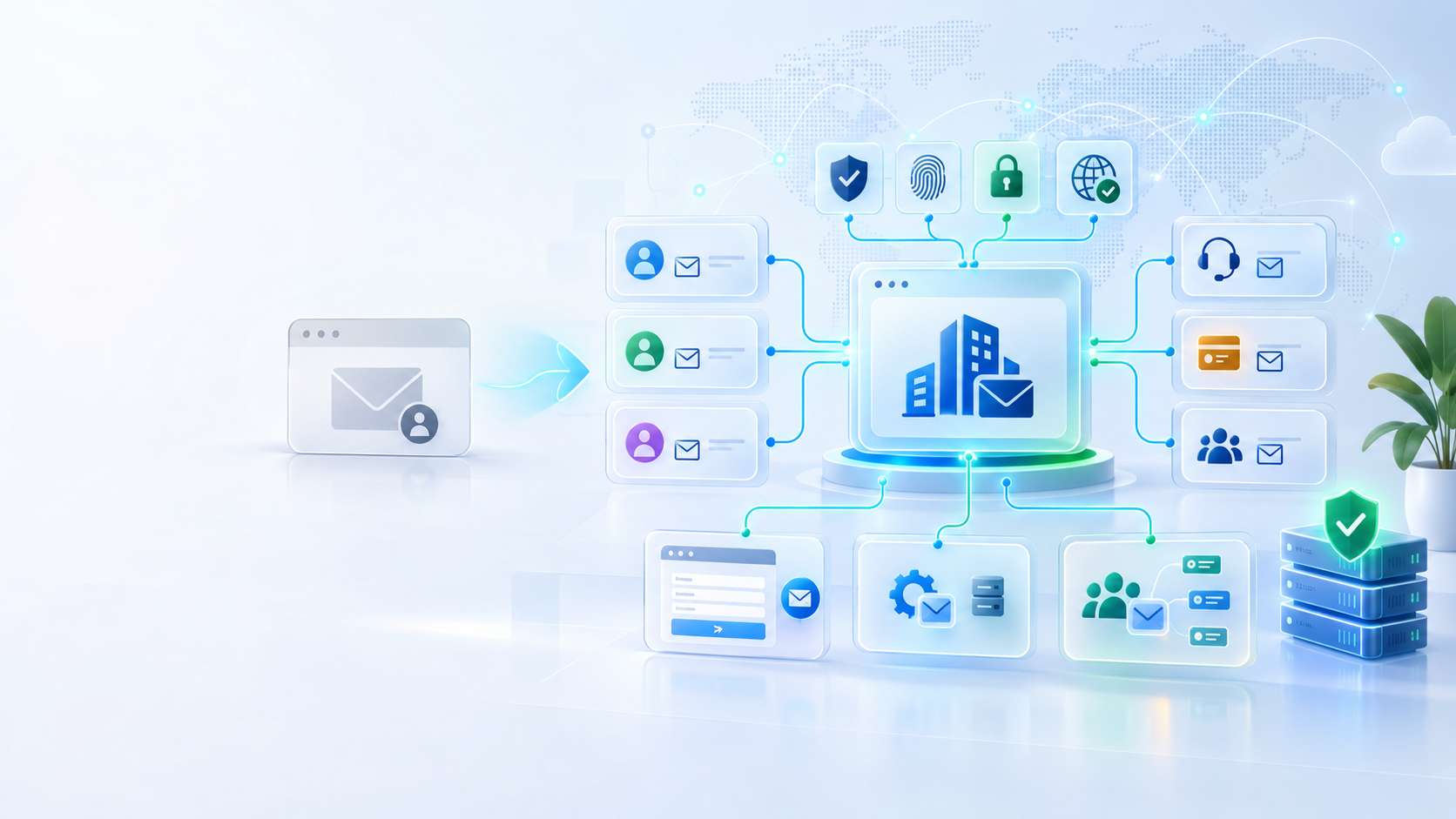
Why Growing Businesses Should Use Email on Their Own Domain
A Gmail or Outlook address may be enough when a business is just starting, but a custom-domain email creates stronger ownership, consistency, security, and room to grow. Here is why professional email infrastructure matters.
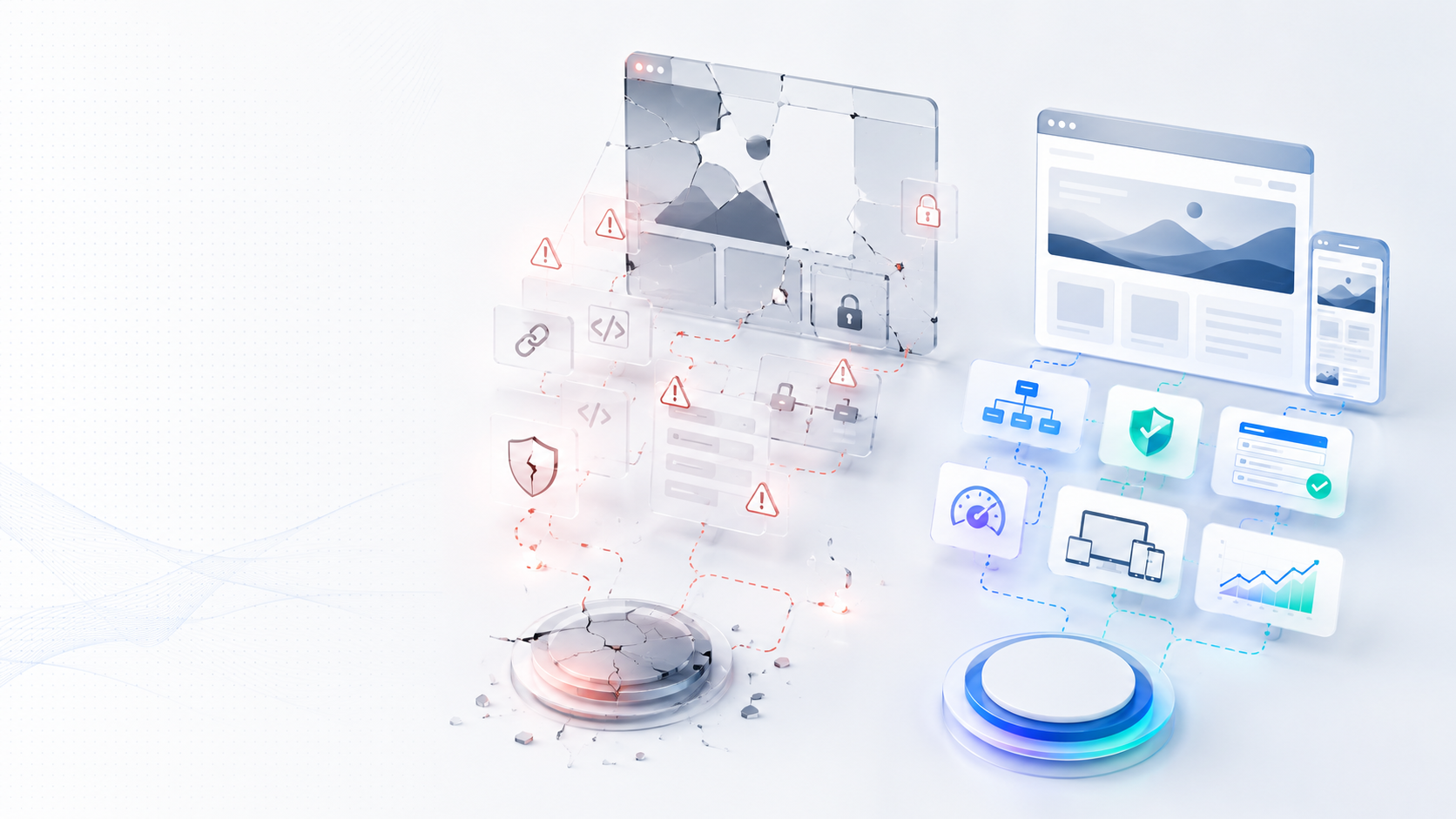
The Real Risk of Free Website Offers for Small Businesses
Free website offers may sound attractive, especially from new developers building a portfolio. But for serious businesses, a free website can create hidden costs, ownership problems, weak SEO, security risks, and expensive repairs later.
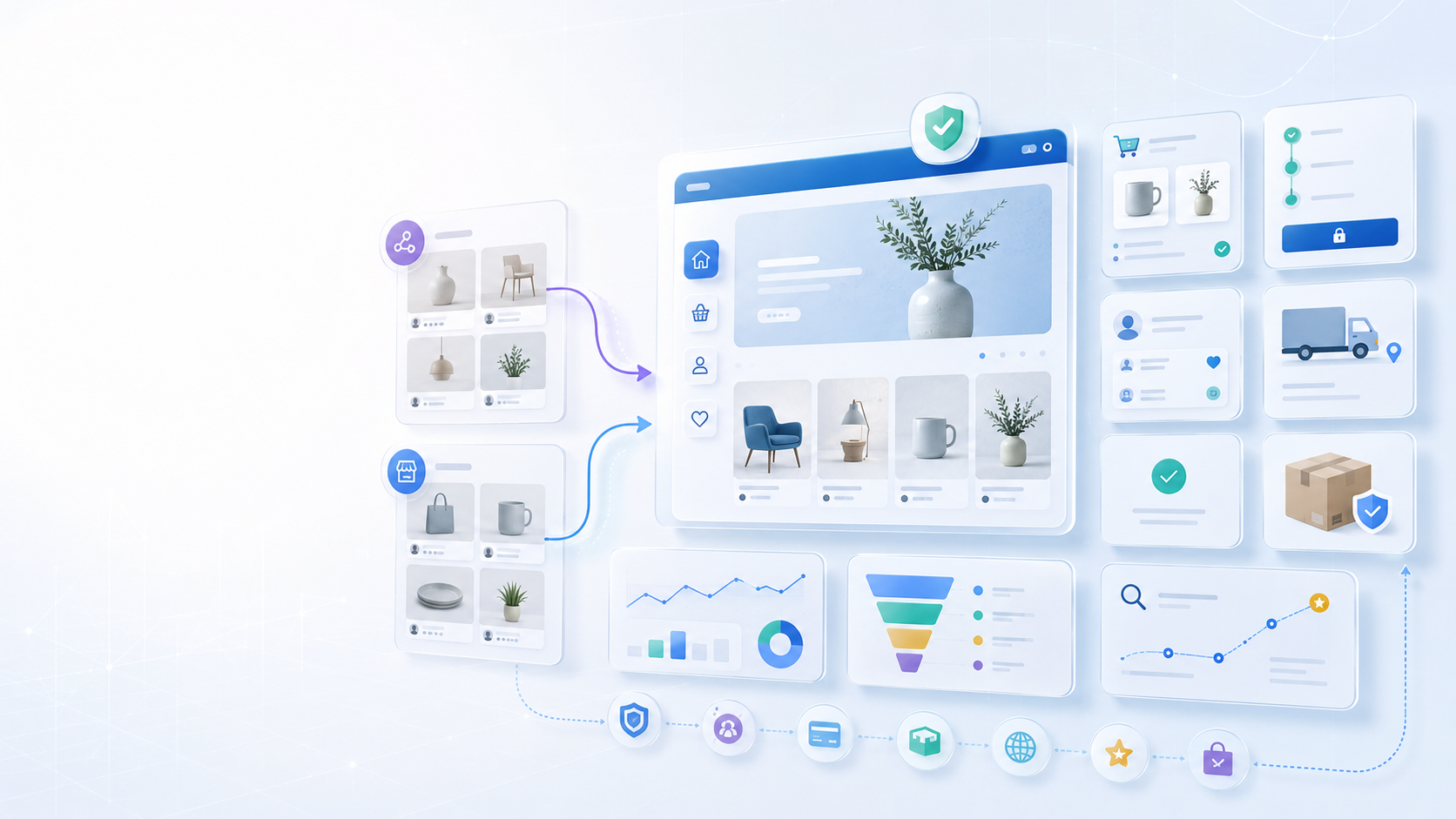
Why Product-Based Businesses Should Consider Their Own Online Shop
Social media and marketplaces can help product-based businesses get attention, but relying only on third-party platforms can limit control, trust, customer data, and long-term growth. Learn why a dedicated e-commerce website can create a stronger foundation.
Discussion
Comments
No comments yet
Be the first to share a useful thought, question, or takeaway from this article.